article
May 2026 Nighttime Severe Weather Lessons: Tornado Warning Habits That Actually Help
A severe-weather preparedness article for nighttime tornado warnings, May storm season, alert redundancy, safe rooms, and warning fatigue.

The most important tornado plan is the one that still works at 2 a.m. when the house is dark, phones are charging, and people are disoriented.
This guide answers a very specific search question: how to prepare for nighttime tornado warnings during May severe weather. It is written for families in tornado-prone regions, apartment residents, mobile home residents, college students, and anyone who sleeps through storm alerts, so the emphasis is practical: what to check, what to ignore, and when to change plans before the weather becomes a problem. Learn more in Cap Inversion Thunderstorm Forecast Busts: Why Storms Sometimes Never Fire.
May is often an active severe-weather month in the central and eastern United States. Whether a specific night produces a tornado in your county or not, the habits that reduce risk are consistent: multiple alerts, a chosen shelter, shoes nearby, and a plan for pets and mobility needs.
Nighttime severe weather is harder because visual cues are gone. You cannot rely on seeing the sky, watching clouds rotate, or noticing distant debris. The warning system has to wake you, and the plan has to be simple enough to follow quickly.
Quick Answer

Nighttime tornado safety depends on alert redundancy and pre-decided shelter actions because visual confirmation is unreliable. The fastest way to apply that idea is to compare the headline forecast with the smaller signals that control your actual exposure. A daily icon is a starting point, not the decision.
For most readers, the useful workflow is simple: check the official local forecast, scan the hourly details, identify the one hazard that can break your plan, and choose a backup before the forecast window becomes urgent. That habit turns weather from a vague worry into a manageable planning input. Learn more in Southern California Drought 2026: Water, Wildfire, and Weather Signals to Track.
Why This Forecast Niche Matters
Niche weather questions matter because people rarely experience weather as a regional average. You experience it in a bedroom, on a sports field, on a specific bridge, in a valley, at a venue, or in a neighborhood that drains poorly. The most important tornado plan is the one that still works at 2 a.m. when the house is dark, phones are charging, and people are disoriented.
That is why broad forecast summaries can feel wrong even when meteorologists did their job. The public forecast may describe the air mass correctly while missing the exact surface, building, slope, road, or schedule that controls your risk. The goal is not to outguess the forecast. The goal is to read the part of the forecast that matches your exposure.
The Weather Setup Behind the Problem
Enhanced nighttime risk wording
Start with enhanced nighttime risk wording. Forecast discussions may mention storms continuing after dark or overnight.
Tornado watch timing
Tornado watch timing is one of the first details to check. A watch that extends through sleeping hours requires a before-bed plan.
Low-level jet strengthening
Do not treat low-level jet strengthening as background noise. Evening wind fields can support rotating storms after sunset.
Storm mode
For this topic, storm mode often separates a routine day from a day that needs a plan. Lines can still produce brief tornadoes, not just isolated supercells.
Power outage risk
The forecast detail most people skip is power outage risk. Wind and lightning can disrupt alerts if devices are not charged.
Local warning polygon
Use local warning polygon to translate "how to prepare for nighttime tornado warnings during May severe weather" into a practical decision. Your action should follow whether your location is inside the warning, not county rumors.
A 72-Hour Planning Workflow
The best weather decisions usually start before the final forecast is perfect. At 72 hours, you are not looking for certainty. You are looking for the main scenario, the plausible failure mode, and the cost of waiting.
- Enable Wireless Emergency Alerts and at least one trusted weather app before going to bed.
- Keep a NOAA weather radio with fresh batteries for redundancy.
- Choose the lowest interior room away from windows and keep shoes and helmets nearby.
- Move phone chargers, glasses, medications, leashes, and keys into the shelter routine.
- Know where to go if you live in a mobile home or upper-floor apartment.
- Do not wait to hear a siren indoors; sirens are mainly outdoor warning tools.
How to Read the Hourly Forecast
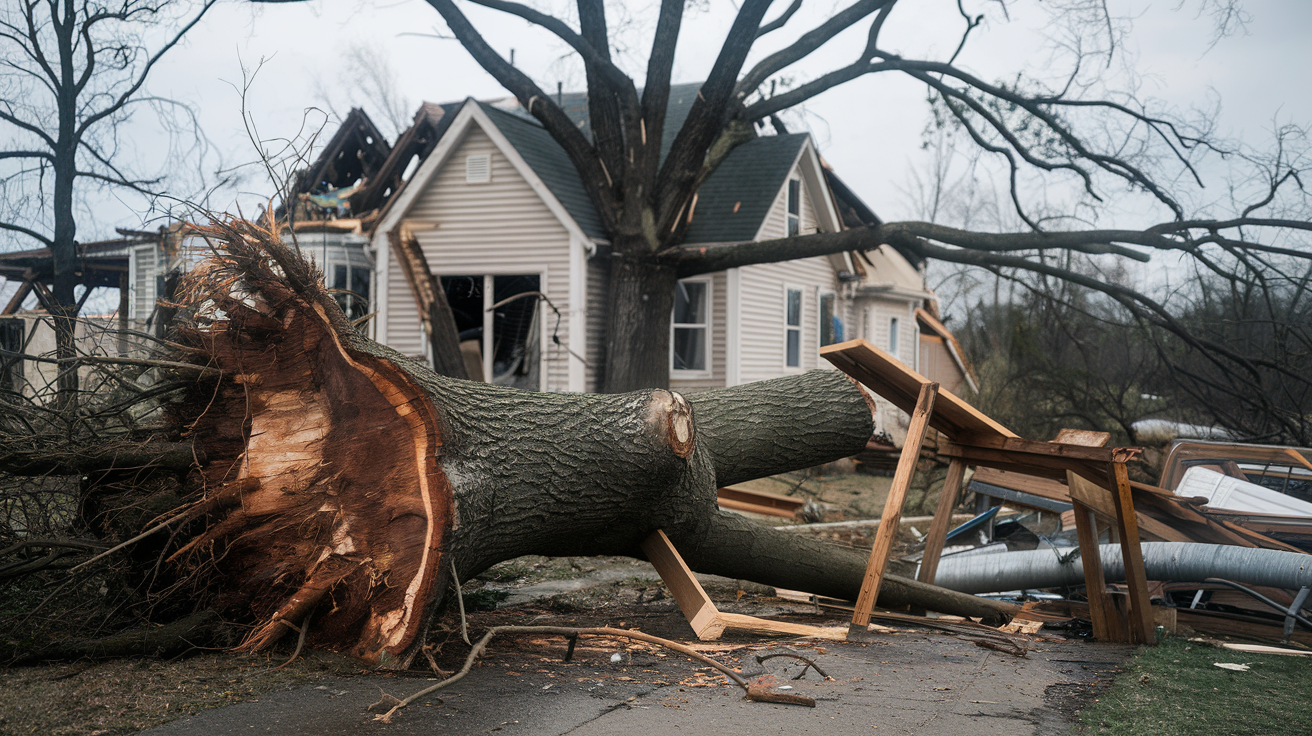
Open the hourly forecast and find the period that overlaps your real decision. For how to prepare for nighttime tornado warnings during May severe weather, the daily summary can hide the most important part of the day. The relevant hour may be overnight, during school pickup, at ceremony time, near a commute, or just after a front passes.
Read the variables in pairs. Temperature plus dew point explains comfort better than temperature alone. Wind speed plus gusts explains exposure better than a single wind number. Rain chance plus rainfall rate explains disruption better than a droplet icon. Cloud cover plus wind direction can explain why one neighborhood stays gray while another clears.
Then ask whether the forecast is describing a gradual hazard or a threshold hazard. Gradual hazards build through the day and give you chances to adjust. Threshold hazards can flip the plan quickly: lightning close enough to hear, water over a road, wind strong enough to make a tent unsafe, or smoke mixing to the surface.
Local Clues That Confirm the Forecast
Local clues matter because official observations are often several miles away from the exact place where you feel the weather. These signs do not replace the forecast, but they help you decide whether the atmosphere around you is behaving as expected.
- Forecasts mention overnight storms repeatedly.
- Humidity increases during the evening instead of falling.
- Winds strengthen above the surface after dark.
- Radar lines develop embedded circulations.
- Power flickers before warnings arrive.
Common Mistakes
- Muting alerts because earlier storms missed your neighborhood.
- Waiting to see or hear a tornado at night.
- Assuming a severe thunderstorm warning cannot include tornado-like wind damage.
- Planning around a siren you may not hear inside.
- Leaving shoes and keys in a bedroom when debris or outages are possible.
What to Watch Next

NWS lightning guidance is central for dry thunderstorm, youth sports, hiking, roofing, and outdoor work decisions. Use it as background context, then rely on your local forecast and warnings for timing.
If the source is a seasonal or climate product, use it to frame the background risk. If the source is a safety page, use it to define action thresholds. For day-to-day timing, check the National Weather Service point forecast, local watches and warnings, radar, and nearby observations.
Related OpticWeather Guides
- 20 Essential Storm Preparation Tips Household
- Cap Inversion Thunderstorm Forecast Busts: Why Storms Sometimes Never Fire
- How to Read Weather Forecast
- Forecast Interpretation and Accuracy
- Weather Safety and Preparedness
Frequently Asked Questions
Is this the same as the regular weather forecast?
No. The regular forecast gives the broad expected conditions. This guide explains how to interpret those conditions for a narrow decision where timing, exposure, and local details matter.
Which forecast number should I check first?
Start with the number that most directly controls the hazard. For this topic, that means the signals listed above, especially enhanced nighttime risk wording and tornado watch timing. After that, check the hourly timing and any official alerts.
Why do weather apps disagree on this?
Apps can use different models, update schedules, icons, and thresholds. One app may smooth a local hazard into a broad daily summary while another highlights the risky hour. When the stakes are high, compare the app with official forecasts and observations.
When should I stop waiting for a clearer forecast?
Stop waiting when the cost of delay becomes higher than the cost of preparing. If rentals, travel, safety equipment, vulnerable people, animals, or outdoor crews are involved, set a decision deadline before the forecast window arrives.