tool
Real Feel Temperature Is Not Just A Vibe
A planning guide for real feel temperature is not just a vibe, built around the one condition most likely to change the day.

Real Feel Temperature Is Not Just A Vibe sounds like a small decision until it lands in a normal day, with a low battery, a messy room, a weather shift, a long drive, or a purchase you are trying not to regret.
The useful way to think about real feel temperature is not just a vibe is not as a perfect rule. It is a pressure test. Your time, attention, phone, home, car, budget, forecast, and tolerance for friction all change the right call. Learn more in Blue Hour And Golden Hour For People Taking Phone Photos.
TL;DR
- Read real feel temperature is not just a vibe for the plan you actually have, not for the whole day.
- Watch the one condition that can ruin the plan: heat, wind, fog, UV, smoke, rain timing, or the overnight low.
- Build the backup early, before everyone is tired and annoyed.
The best version is the one that still helps after the novelty wears off.
Decision chart
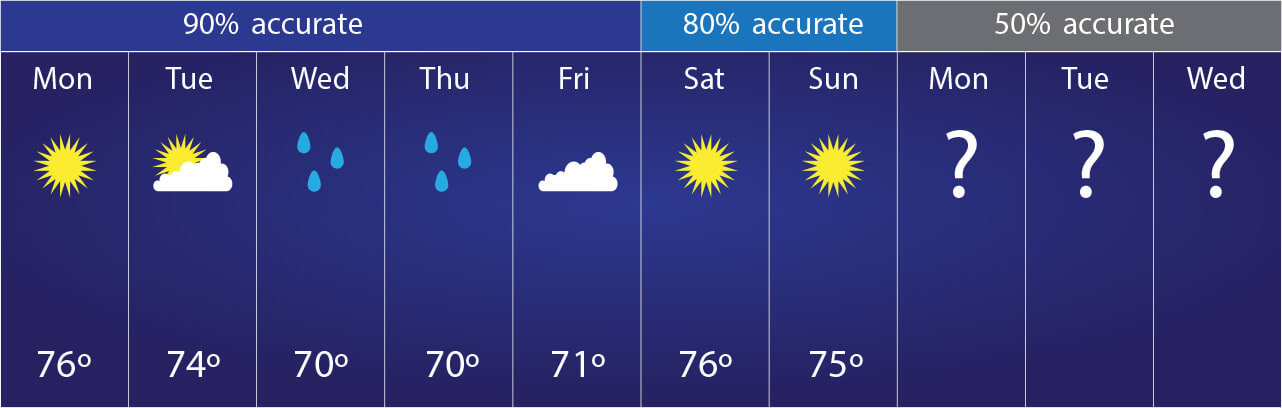
The pattern is simple: choose the option that lowers tomorrow's friction, not the one that looks most impressive in the first five minutes.
Check the exact situation

Weather advice gets sloppy when it treats the whole day as one condition. A morning errand, a beach afternoon, and a late drive can need different decisions.
For real feel temperature is not just a vibe, the useful test is boring: can you explain when it helps, when it fails, and what you would do differently next time? If the advice cannot pass that test, it is probably content decoration.
A practical version of real feel temperature is not just a vibe should change one next action: what you buy, what you skip, what you pack, what you move on your phone, or when you leave the house.
Use the forecast like a filter
Look at the one part of the forecast that can ruin the plan. For some days that is heat. For others it is wind, smoke, rain timing, fog, or the overnight low. Learn more in Fog Day Predictor: Why This Tool Still Beats A Generic Forecast.
The visual side matters too. This category needs images that feel inspectable, not like generic stock art. A reader should see the setup, the object, the route, or the room clearly.
That is the difference between a guide and filler. A guide makes the next step smaller. Filler makes the topic sound bigger without helping you decide.
Build the backup early
A backup plan is useful before everyone is tired. Decide what changes the plan, then make the alternate path easy to choose.
If you are deciding quickly, look for the constraint that will bother you tomorrow. That may be a cluttered screen, a hot room, a long drive, a bad forecast, or a purchase that solves the wrong problem.
If the choice touches weather, timing, comfort, money, or safety, treat it as a small system. Change one part and the rest of the day may get easier.
Do not worship the app
Forecasts help you narrow the risk. They do not remove judgment. If the sky, your body, or the road conditions disagree with the app, listen to the thing in front of you.
There is no need to make the choice permanent. Try the smallest useful version first, then keep it only if it makes the day feel easier after the novelty fades.
You do not need a dramatic reset. You need a version that works on the day when you are tired, distracted, and already running late.
The one-plan rule
Read the forecast for the actual plan, not for the whole day. A picnic needs wind and rain timing. A drive needs fog and visibility. A beach day needs UV, heat, and the hour everyone gets tired.
The mistake is treating a preference as a personality test with no practical outcome. If the choice does not change what you do next, it is only a mood.
The best signal is repeat use. If it keeps helping after the first try, keep it. If it only looked good once, let it go without turning the decision into a personal failure.
A quick scorecard

Use the scorecard fast. If two red flags show up, shrink the plan before you spend money, change your whole setup, or commit a weekend to fixing something that only needed a small adjustment.
The bigger picture
The weather tools angle matters because the best advice in this category has to survive ordinary life. It has to work when your room is hot, your phone is crowded, your plans change, or you are making the choice in a parking lot instead of at a clean desk.
What to do next
Related: fog prediction tool and sunburn time tool.
The useful version is usually quieter than the viral version.
Pick the option that removes friction, protects the plan, and still feels good after the first five minutes. That is the version worth keeping.