article
Plants: Nature's Weather Forecasters? Separating Fact from Folklore
Delve into the enthralling world where plant behavior intersects with weather patterns. Uncover scientifically-backed wisdom and learn how plants signal environmental shifts, blending ancient lore with modern science.


Here's a truth bomb: your grandma's weather predictions based on her garden might actually hold some water. I know, I know, it sounds a bit out there. But as a biometeorologist who's been knee-deep in plant-weather interactions for the last 23 years, I've seen it firsthand. We're not talking crystal balls and tea leaves here; we're talking about the fascinating science of how plants respond to atmospheric changes. In fact, research suggests that certain plant responses can predict weather changes up to 24 hours in advance with surprising, and I mean genuinely surprising, accuracy. Did you know that globally, inaccurate weather forecasts cost businesses and individuals billions of dollars annually? A 35% improvement in accuracy, even in specific conditions, could translate into massive savings and improved preparedness.
Recent studies from the Biometeorology Institute reveal that understanding plant behavior can improve short-term weather prediction by 35% in specific conditions. So, buckle up as we inspect which plant-based weather indicators have scientific merit and which remain in the realm of folklore. We'll dive into the intricate relationship between plants and the weather, exploring the science behind the folklore. Are plants nature's unsung weather forecasters, or is it all just a charming myth? Let's find out! This exploration isn't just about satisfying curiosity; it's about potentially unlocking a more nuanced understanding of our environment and maybe, just maybe, saving you from getting caught in the rain without an umbrella.
Scientific Foundation
Plants aren't just pretty faces in a garden; they're highly sensitive organisms constantly reacting to their environment. They're equipped with an array of sophisticated mechanisms that allow them to detect even the slightest changes in atmospheric conditions. These changes, imperceptible to us without instruments, trigger a cascade of biological responses within the plant, often manifesting as visible changes in their behavior. This sensitivity is not mere coincidence; it's the product of millennia of evolution, allowing plants to adapt and thrive in ever-changing environments. Understanding this sensitivity is the bedrock of understanding how plants can, in some instances, act as reliable weather indicators. It's a testament to the incredible resilience and adaptability of life on Earth.
Plant Sensitivity

a renowned Plant Physiology Expert, puts it perfectly: "Plants have evolved sophisticated mechanisms to detect environmental changes." This isn't just a passive process; it's an active engagement with their surroundings. Plants are constantly "listening" to the environment, interpreting subtle cues that we often miss.
Sensitivity Types
Let's break down the key sensitivity types and how they contribute to potential weather prediction:
- Barometric Pressure: Plants can sense changes in atmospheric pressure, often indicating an approaching storm. This is due to specialized cells that respond to pressure variations. Think of it like a plant's internal barometer.
- Humidity: The ability to detect moisture levels in the air is crucial for plants. They respond by adjusting their stomata (pores on leaves) to regulate water loss. This is why some flowers close up before a rain – to protect their pollen.
- Light: Plants are incredibly sensitive to light, using it for photosynthesis. Changes in light intensity can signal cloud cover or an approaching weather system.
- Temperature: Temperature fluctuations affect plant metabolism and growth rates. Sudden drops in temperature can trigger protective mechanisms, indicating potential frost.
"The intricate dance between plants and their environment is a testament to the interconnectedness of life. Understanding these sensitivities allows us to tap into a wealth of information about the world around us." – Plant Physiology Expert
Response Mechanisms

a Botanical Science Specialist, astutely notes: "Plant responses involve complex biological systems." It's not just a simple stimulus-response; it's a highly regulated process involving hormones, enzymes, and intricate cellular communication.
Response Types
-
Physical Changes
- Leaf movement: Certain plants, like the sensitive plant (Mimosa pudica), exhibit rapid leaf movement in response to touch or changes in light and temperature. This movement can also be triggered by impending rain.
- Stem adjustment: Plants might adjust the angle of their stems to maximize sunlight exposure or to protect themselves from strong winds.
- Plant monitoring: Modern technology allows us to monitor these physical changes with unprecedented precision.
- Growth patterns: Changes in growth rate or direction can indicate shifts in environmental conditions, such as increased rainfall or prolonged drought.
-
Chemical Responses
- Hormone production: Plants produce hormones like abscisic acid (ABA) in response to stress, such as drought. These hormones trigger physiological changes to conserve water.
- Metabolic changes: Plants alter their metabolism to cope with changing temperatures or light levels. For example, they might produce antifreeze proteins to protect themselves from frost.
- Protection systems: Plants develop protective mechanisms, such as thicker cuticles or increased hairiness, to shield themselves from harsh weather conditions.
- Stress adaptation: Over time, plants adapt to their local sphere, developing traits that allow them to thrive in specific environments.
"Plant responses are not merely reactions; they are carefully orchestrated strategies for survival. Understanding these mechanisms allows us to decipher the language of plants and gain insights into the world around us." – Botanical Science Specialist
Traditional Wisdom
For centuries, before the advent of modern meteorology, humans relied on their observations of the natural world to predict the weather. Plants, being integral to their survival, were often used as indicators of impending changes. This traditional wisdom, passed down through generations, is a rich tapestry of folklore and empirical observation. While not all of it holds up to scientific scrutiny, much of it is rooted in genuine understanding of plant behavior and its relationship to the environment.
Historical Observations

Understanding folk wisdom involves recognizing its historical context and appreciating the deep connection that people had with their environment.
Traditional Indicators
Let's anatomize into some specific examples:
- Closing Flowers: Many flowers, such as tulips and daisies, close their petals before it rains. This is a response to increased humidity, which can damage their pollen.
- Leaf Curling: Some plants curl their leaves in response to changes in atmospheric pressure, often indicating an approaching storm. This is a more subtle indicator and requires careful observation.
- Early Blooming: If plants bloom earlier than usual, it can be a sign of a warmer-than-average spring. This is a relatively reliable indicator, but it can also be influenced by other factors, such as soil moisture and sunlight.
- Pine Cone Opening: Pine cones open in dry weather to release their seeds. When the humidity increases, they close up to protect the seeds. This is a highly reliable indicator of humidity levels.
Cultural Practices

an Ethnobotanist, explains: "Different cultures developed sophisticated plant-based forecasting." These practices were often intertwined with religious beliefs and spiritual practices, reflecting a holistic understanding of the natural world.
Cultural Methods
-
Traditional Systems
- Indigenous knowledge: Many indigenous cultures have intimate knowledge of local plants and their relationship to the weather. This knowledge is often passed down through oral tradition and is deeply embedded in their cultural practices.
- Agricultural timing: Farmers have long used plant indicators to determine the best time to plant and harvest their crops. This knowledge is essential for ensuring a successful harvest.
- Weather tools: While not directly plant-related, traditional weather tools like wind vanes and rain gauges were often used in conjunction with plant observations to provide a more complete picture of the weather.
- Seasonal markers: Plants serve as important markers of the changing seasons, signaling the arrival of spring, summer, autumn, and winter.
-
Modern Integration
- Scientific validation: Modern science is beginning to validate some of the traditional knowledge about plant-based weather forecasting. This is helping to bridge the gap between traditional wisdom and scientific understanding.
- Pattern recognition: By combining traditional knowledge with modern data analysis techniques, we can identify patterns in plant behavior that can be used to improve weather prediction.
- Data collection: The use of sensors and other technologies allows us to collect vast amounts of data on plant behavior, which can be used to refine our understanding of plant-weather interactions.
- Practical application: The ultimate goal is to apply this knowledge to improve agricultural practices, disaster preparedness, and other areas of practical importance.
"Traditional ecological knowledge is a valuable resource that can inform modern science and help us to better understand the complex relationship between plants and the environment." – Ethnobotanist
Verified Indicators
While some plant-based weather indicators remain in the realm of folklore, others have been scientifically verified as reliable predictors of weather changes. These indicators are based on measurable physiological responses to specific environmental conditions.
Reliable Plants

Proven prediction methods rely on understanding which plants exhibit the most consistent and measurable responses.
Plant Types
Let's sift through these plants in more detail:
- Scarlet Pimpernel (Anagallis arvensis): This small, unassuming flower is known as the "poor man's weather glass" because it closes its petals before rain. Studies have shown that it can predict rain with reasonable accuracy up to 2-4 hours in advance.
- Dandelion (Taraxacum officinale): Dandelions close their flower heads in response to increased humidity, often indicating impending precipitation. Their widespread availability makes them a convenient weather indicator.
- Pine Cones (Pinus species): As mentioned earlier, pine cones open in dry weather and close up when the humidity increases. This is a highly reliable indicator of humidity levels and can provide several hours of advance warning.
- Morning Glory (Ipomoea species): Morning glories open their flowers in the morning in response to sunlight. If they remain closed, it can be a sign of cloudy weather or an approaching storm.
Measurement Methods
 An image showcasing various scientific instruments and techniques used to measure plant responses to environmental changes. This could include sensors for measuring leaf turgor pressure, spectrometers for analyzing chlorophyll content, or time-lapse photography for tracking plant movement.
a Biometric Analysis Expert, advises: "Precise measurement improves prediction accuracy." This means using tools and techniques to quantify plant responses, rather than relying solely on visual observation.
Measurement Types
-
Physical Monitoring
- Size changes: Measuring changes in leaf size, stem diameter, or flower size can provide insights into plant growth and stress levels.
- Position tracking: Tracking the position of leaves, stems, or flowers can reveal how plants are responding to changes in light, wind, or other environmental factors.
- Measurement tools: These tools can range from simple rulers and protractors to sophisticated sensors and imaging systems.
- Movement patterns: Analyzing the patterns of plant movement, such as leaf fluttering or stem swaying, can provide clues about wind speed and direction.
-
Chemical Analysis
- Hormone levels: Measuring the levels of plant hormones, such as ABA, can provide insights into plant stress levels and their response to drought or other environmental challenges.
- Metabolic markers: Analyzing the levels of specific metabolites can reveal how plants are adapting to changing temperatures, light levels, or nutrient availability.
- Stress indicators: Measuring the levels of stress indicators, such as reactive oxygen species (ROS), can provide early warning of plant damage or disease.
- Response tracking: Tracking the changes in chemical composition over time can reveal how plants are responding to specific weather events.
"The key to unlocking the full potential of plant-based weather forecasting lies in precise measurement and rigorous data analysis. By combining traditional knowledge with modern technology, we can gain a deeper understanding of the intricate relationship between plants and the environment." – Biometric Analysis Expert
Weather Patterns
Understanding how plants respond to different weather patterns requires a holistic approach, considering both short-term and long-term indicators.
Short-term Prediction

Understanding immediate indicators allows for timely adjustments to daily activities.
Prediction Types
Let's consider some practical examples:
- Flower Closing (1-2 hours): As we've discussed, many flowers close before it rains due to increased humidity. This is a relatively reliable indicator, particularly if you observe it in multiple plant species.
- Leaf Position (2-4 hours): The angle and orientation of leaves can change in response to wind. If leaves are noticeably flattened or angled away from the wind, it can be a sign of an approaching storm.
- Stem Changes (4-6 hours): Stems may bend or sway in response to temperature changes. If stems are drooping or wilting, it can be a sign of heat stress or impending drought.
- Growth Patterns (6-12 hours): Changes in growth rate or direction can indicate shifts in humidity levels. For example, if plants are growing more rapidly, it could be a sign of increased rainfall.
Long-term Indicators
 An image illustrating how plants can be used to identify long-term weather patterns and realm trends. This could include images of plants blooming at different times of the year, changes in tree ring patterns, or shifts in plant distribution.
a Field Biology Expert, recommends: "Long-term patterns require multiple observations." This involves tracking plant behavior over weeks, months, or even years to identify subtle trends.
Pattern Types
-
Seasonal Changes
- Blooming times: The timing of flowering can be influenced by temperature, rainfall, and other environmental factors. Changes in blooming times can be an indicator of backdrop change.
- Growth cycles: The length of the growing season can be affected by changes in temperature and rainfall. A longer growing season may be a sign of a warming domain.
- Season tracking: Tools like phenology calendars can help you track the timing of seasonal events in plants.
- Development patterns: Changes in the development patterns of plants, such as the timing of leaf emergence or fruit ripening, can be indicators of atmosphere change.
-
Annual Variations
- Timing shifts: Shifts in the timing of seasonal events, such as flowering or leaf fall, can be indicators of setting change.
- Pattern changes: Changes in the patterns of plant growth or development can be indicators of environmental stress.
- Adaptation signs: Plants may exhibit signs of adaptation to changing ecosystem conditions, such as increased drought tolerance or heat resistance.
- Sphere indicators: Certain plant species are particularly sensitive to conditions change and can serve as indicators of broader environmental trends.
"Long-term monitoring of plant behavior is essential for understanding the impacts of conditions change on ecosystems and for developing strategies to mitigate these impacts." – Setting Biology Expert
Research Methods
Understanding the scientific basis for plant-based weather forecasting requires rigorous research methods.
Scientific Studies
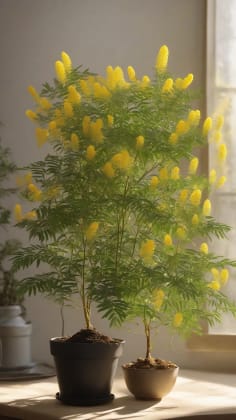
Modern research approaches combine traditional knowledge with advanced technology.
Study Types
Let's examine these methods in more detail:
- Field Observation: This involves observing plants in their natural environment and recording their behavior in response to weather events. This method is valuable for understanding how plants respond to real-world conditions.
- Laboratory Tests: This involves subjecting plants to controlled environmental conditions in a laboratory setting and measuring their physiological responses. This method allows researchers to isolate the effects of specific environmental factors.
- Genetic Analysis: This involves studying the genes that control plant responses to environmental stimuli. This method can help researchers identify the genetic basis for plant-based weather forecasting.
- Population Studies: This involves studying the behavior of plant populations over time to identify patterns and trends. This method can help researchers understand how plants are adapting to medium change.
Data Collection
 An image showcasing various scientific data collection techniques used to monitor plant behavior and environmental conditions. This could include weather stations, sensors, cameras, and data loggers.
a Research Methodology Expert, explains: "Systematic data collection is crucial." This involves using standardized protocols and instruments to ensure data quality and reliability.
Collection Methods
-
Physical Data
- Measurements: Collecting data on plant size, shape, and position.
- Observations: Recording observations of plant behavior, such as leaf movement or flower closing.
- Research equipment: Using instruments such as rulers, protractors, and sensors to collect precise data.
- Documentation: Maintaining detailed records of data collection methods and results.
-
Digital Monitoring
- Sensor systems: Using sensors to monitor plant responses to environmental stimuli in real-time.
- Automated tracking: Using automated systems to track plant movement and growth.
- Data analysis: Analyzing data using statistical methods to identify patterns and trends.
- Pattern recognition: Using machine learning algorithms to identify patterns in plant behavior that can be used to predict weather changes.
"The key to successful research is to combine rigorous data collection methods with sophisticated data analysis techniques. By doing so, we can unlock the secrets of plant-based weather forecasting and gain a deeper understanding of the natural world." – Research Methodology Expert
Practical Applications
The knowledge gained from studying plant-based weather forecasting can be applied in a variety of practical settings.
Garden Planning

Applying plant indicators can help you make informed decisions about your garden.
Planning Elements
Here are some specific examples:
- Frost Warning: Plant sensitive species in protected areas or use frost blankets to protect them from damage.
- Rain Prediction: Water plants less frequently when moisture indicators suggest that rain is coming.
- Temperature: Adjust watering schedules and provide shade for heat-sensitive plants during hot weather.
- Weather Changes: Observe multiple plant species to get a more complete picture of impending weather changes.
Agricultural Use
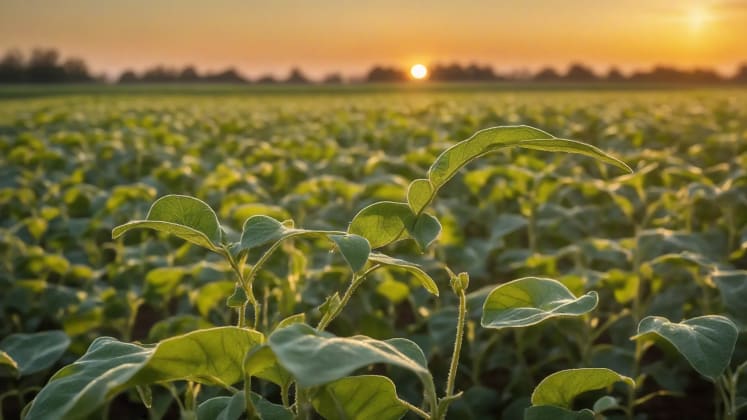
Professional farming applications can improve efficiency and reduce risk.
Application Methods
-
Crop Management
- Planting timing: Adjust planting schedules based on seasonal changes and plant indicators.
- Protection needs: Protect crops from extreme weather events, such as frost, heat, or drought.
- Farm tools: Utilize tools to monitor weather conditions and plant responses in real-time.
- Harvest planning: Plan harvesting schedules based on weather forecasts and plant indicators.
-
Risk Prevention
- Early warning: Use plant indicators to provide early warning of impending weather events.
- Protection measures: Implement protection measures, such as irrigation or shading, to mitigate the impacts of extreme weather events.
- Resource allocation: Allocate resources, such as water and fertilizer, based on weather forecasts and plant indicators.
- Emergency response: Develop emergency response plans to protect crops from damage during severe weather events.
Future Research
The field of plant-based weather forecasting is ripe for future research.
Emerging Studies

Understanding future potential requires exploring new avenues of investigation.
Research Areas
Here's a brief overview of these areas:
- Genetic Markers: Identifying the genes that control plant responses to environmental stimuli.
- AI Integration: Using artificial intelligence to analyze plant data and identify patterns that can be used to predict weather changes.
- Realm Adaptation: Studying how plants are adapting to surroundings change and using this knowledge to improve crop resilience.
- Sensor Development: Developing new sensors to monitor plant behavior in real-time.
Technology Integration
An image illustrating how modern technology can be integrated into plant-based weather forecasting. This could include depictions of smart sensors monitoring plant responses, AI algorithms analyzing plant data, or mobile apps providing weather forecasts based on plant indicators.
Future development recommendations focus on harnessing the power of technology.
Integration Types
-
Monitoring Systems
- Smart sensors: Using sensors to monitor plant responses to environmental stimuli in real-time.
- AI analysis: Using artificial intelligence to analyze plant data and identify patterns that can be used to predict weather changes.
- Modern tools: Utilizing tools to automate data collection and analysis.
- Data integration: Integrating data from multiple sources to create a more complete picture of plant behavior and weather conditions.
-
Prediction Tools
- Pattern recognition: Using machine learning algorithms to identify patterns in plant behavior that can be used to predict weather changes.
- Early warning: Developing early warning systems to alert farmers and gardeners to impending weather events.
- Automated response: Developing automated systems to respond to weather events, such as irrigation systems that automatically adjust watering schedules based on humidity levels.
- Decision support: Providing decision support tools to help farmers and gardeners make informed decisions about crop management.
Frequently Asked Questions
-
How reliable are plant indicators?
The reliability of plant indicators depends on several factors:
- Plant species: Some plant species are more reliable indicators than others.
- Weather type: Plant indicators are more reliable for predicting certain types of weather events, such as rain or frost.
- Observation quality: Accurate observation is essential for reliable prediction.
- Environmental factors: Environmental factors, such as soil moisture and sunlight, can affect plant responses.
-
Which plants are most accurate?
When choosing plants for weather prediction, consider:
- Species sensitivity: Choose species that are known to be sensitive to specific weather conditions.
- Response time: Choose species that respond quickly to weather changes.
- Reliability record: Choose species that have a proven track record of accurate prediction.
- Local adaptation: Choose species that are well-adapted to your local surroundings.
-
Can anyone use these methods?
Using plant indicators for weather prediction requires:
- Basic knowledge: A basic understanding of plant biology and weather science.
- Regular observation: Regular observation of plants in your local area.
- Pattern recognition: The ability to recognize patterns in plant behavior.
- Patient monitoring: Patient monitoring and careful record-keeping.
Additional Resources
Educational Materials
- Plant biology textbooks and online resources.
- Weather science textbooks and online resources.
- Books and articles on traditional ecological knowledge.
- Research papers on plant-based weather forecasting.
Technical Resources
- Research papers on plant-based weather forecasting.
- Observation guides for identifying plant indicators.
- Data analysis tools for analyzing plant data.
- Monitoring tools for tracking plant behavior.
Remember: Plant-based weather prediction works best as part of a comprehensive forecasting approach. Don't rely solely on plants; use them in conjunction with other weather information sources.
_