guide
Best Time to Visit Banff — Weather Guide by Month
Find the ideal time to visit Banff, Canada. Weather patterns, best months for hiking and outdoor activities, and what to expect year-round.
Best Time to Visit Banff — Weather Guide by Month
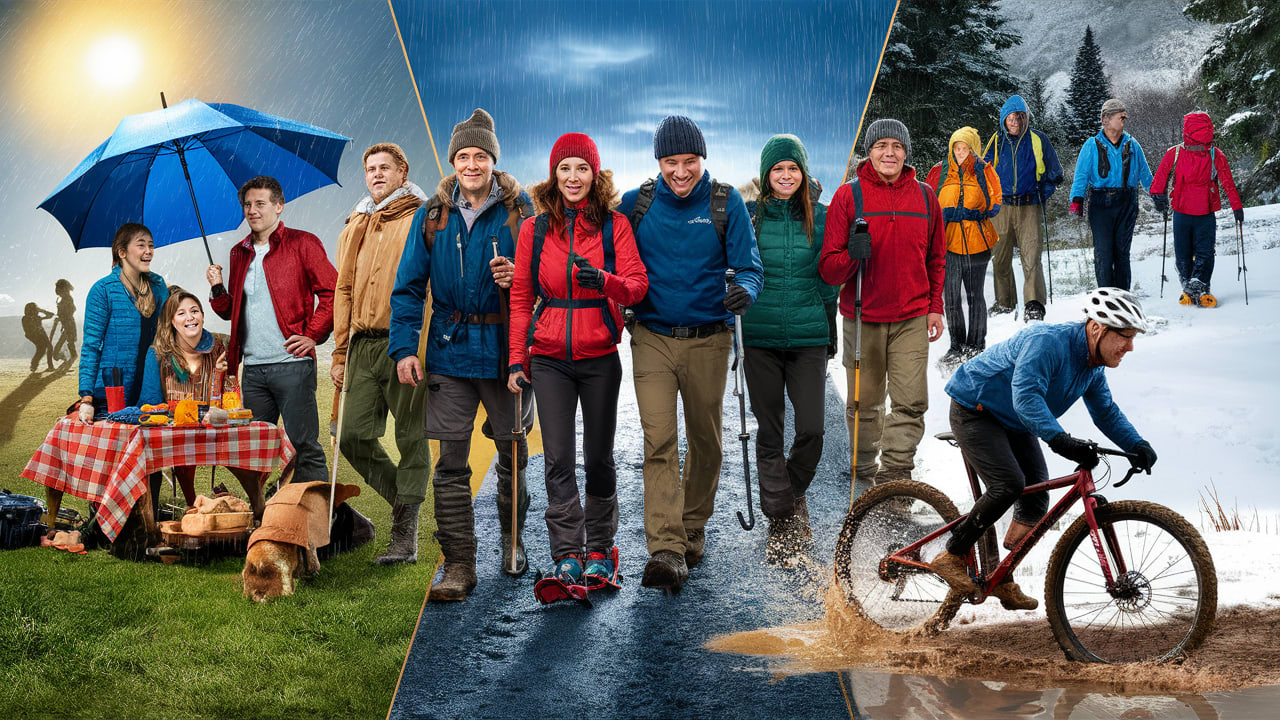
The short answer: July through September is peak season for Banff, offering reliable warm weather (65-75°F), minimal rain, and full access to trails and attractions. If you prefer solitude and don't mind cooler temps, September offers crisp mountain air with fall colors. Skip October through April unless you're a winter sports enthusiast. Roads close, attractions shut down, and heavy snow makes travel unpredictable.
Banff Monthly Weather Overview
Best months for hiking, photography, and wildlife viewing

July and August dominate for a reason. The weather is predictable, trails are fully open, and you can count on daylight until 10 PM. The average high of 75°F is ideal for sustained hiking without overheating. Rainfall is minimal, and wildflower meadows around Lake Louise and the Moraine Lake circuit are at their peak. Wildlife activity also peaks in summer. You'll have genuine chances to spot elk, mule deer, and mountain goats from popular trails. Learn more in Best Time to Visit Yellowstone — Weather Guide by Month. Learn more in Best Time to Visit Great Smoky Mountains — Weather Guide by Month.
September is the underrated gem. Daytime temps drop to a crisp 67°F, but the air feels cleaner and the golden light is exceptional for photography. Larch trees turn brilliant yellow in the high country (late September into October), making trails like the Skyline Trek visual masterpieces. Crowds thin dramatically after Labor Day, so you'll have a far more peaceful experience on popular routes.
May and June offer a different appeal if you're willing to accept higher rain days (9-10) and cooler temps. Wildflowers explode in June, and solitude is guaranteed. These months work well for acclimatization before summer if you're sensitive to altitude, and the park feels genuinely wild.
Months to think twice about
October through April is the shoulder-to-winter corridor. In October, sudden snowstorms can close the Icefields Parkway and high-elevation trails overnight. By November, you're in the thick of it: average 9 rain days (often snow), roads become treacherous, and major attractions begin closing. If you need lodging on the Parkway, book well ahead or plan to stay in Banff town.
Winter (December–March) is beautiful if you're equipped for extreme cold and snow. But unprepared travelers face road closures, sub-zero temps, and limited services. February is the coldest month at an average 10°F low. If you're not a skier or snowmobiler, these months are logistically harder and less rewarding.
What to Pack for Banff
Layering is non-negotiable. Temperature swings of 20-30°F between sun and shade are common, even in July.
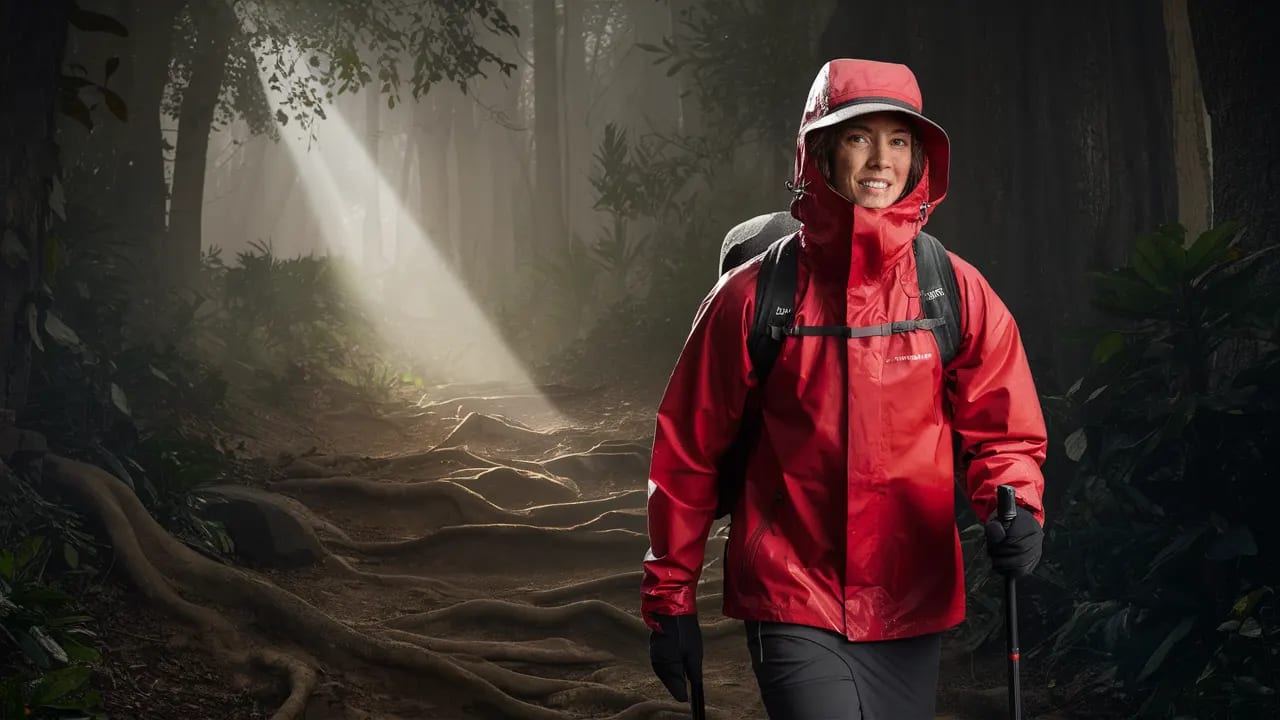
Start with Smartwool merino baselayers (men's and women's). They're moisture-wicking and naturally temperature-regulating. Add a lightweight synthetic mid-layer (Patagonia Nano Puff or equivalent), then top with a waterproof rain jacket for men or women. Mountain weather turns fast. Those 10 rain days spread across the year, but rain at altitude often means brief afternoon showers.
For summer hiking, pack a Columbia Omni-Heat jacket or similar insulating layer. Bring hiking socks (Darn Tough or equivalent), sun protection (SPF 50+), and a broad-brimmed hat. If you're visiting September onward, add a heavier insulating jacket and thermal bottoms.
Winter visitors need insulated boots (rated to -20°F), a parka, gloves, and a face mask. Sunglasses are critical in snow for UV protection.
Plan with current conditions
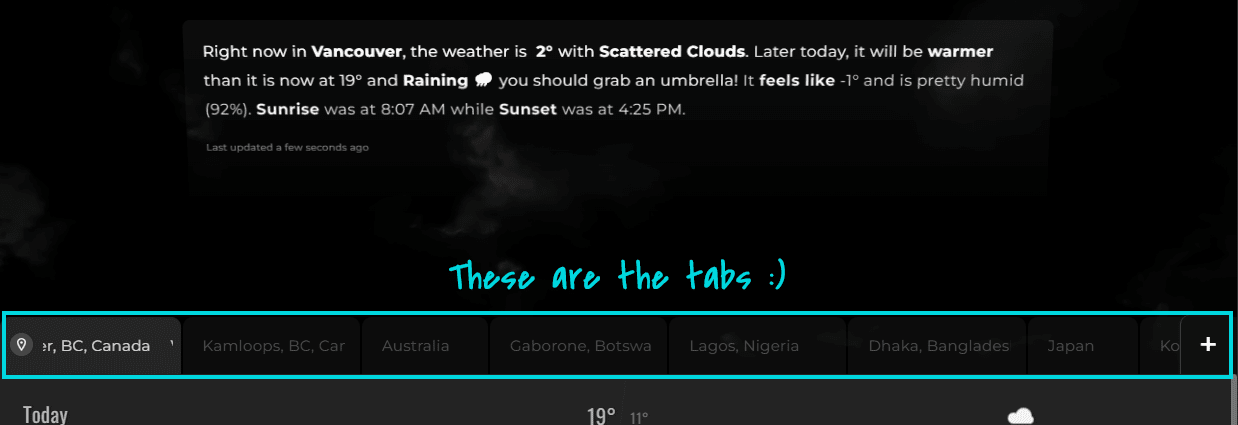
Banff's weather is highly variable at specific elevations and microclimates. Before you book, check the 14-day forecast for Banff, Lake Louise, and the Icefields Parkway using OpticWeather—our app shows hourly precipitation, wind speed, and temperature trends so you can time your outdoor activities and pack exactly what you need.