guide
Best Time to Visit Yellowstone — Weather Guide by Month
Plan your Yellowstone trip with detailed weather information by month. Best times for hiking, geysers, and wildlife viewing.

Best Time to Visit Yellowstone — Weather Guide by Month
The short answer: July and August are peak season for predictable warm weather (75-80°F), open roads, active geysers, and strong wildlife activity. September is the underrated gem with smaller crowds, cooler temps (60-70°F), and crisp mornings perfect for wildlife viewing when elk are in rut. Avoid November through March unless you're prepared for heavy snow. Roads close and some areas become inaccessible. Subzero nights are common.
Yellowstone Monthly Weather Overview
Best months for hiking, wildlife viewing, and geyser spotting

July and August deliver the most reliable experience. Daytime temps are warm (78-80°F), all park roads are open, and geyser viewing is excellent. Thermal features create visible steam even in warm weather. Wildlife is active but spread out. Elk herds graze in meadows, bison roam freely, and grizzly and black bears are awake and foraging. Crowds are heaviest, especially in July when families flood the park, but the odds of seeing geysers erupt and wildlife on the same trip are highest.
September is where the magic happens for serious visitors. Elk are in peak rut in early September. You'll hear bugling bulls and witness epic dominance displays in the Lamar Valley and Mammoth Hot Springs areas. Daytime temps are still pleasant at 68°F, nights are crisp at 40°F. This makes early morning and evening wildlife viewing comfortable. Crowds drop by 40-50% after Labor Day. Rain days are only 7, and the September light is exceptionally clean for photography.
May and June are spring alternatives. May is muddy and unpredictable (8 rain days), but wildflower meadows are erupting, and wildlife returns from winter ranges. June warms to 76°F and feels fresher than midsummer. If you don't mind a slightly wetter forecast and variable conditions, these months offer genuine solitude and active wildlife.
Months to think twice about
November and December are when Yellowstone becomes genuinely harsh. By November, heavy snow closes the North and Northeast entrance roads. Roads that remain open (Grand Loop) require high-clearance or snow chains. December's average high is 34°F with nights dropping to 15°F. Facilities begin shutting down, and access becomes fragmented. If you're not committed to winter activities (cross-country skiing, snowmobiling), stay away.
January through March is extreme winter. Roads are officially closed except for the North entrance (Mammoth area) and a handful of interior parking lot routes requiring snowmobiles or skis. February is the coldest month at 14°F average low. Geysers are beautiful (steam contrasts dramatically against snow), but accessibility is severely limited.
October is a transition month that can swing either way. Early October (first two weeks) is often pleasant with fall colors and elk rut. Late October can bring early season snow and rapid temperature drops. Book accommodations that allow flexibility or accept weather-related changes.
What to Pack for Yellowstone
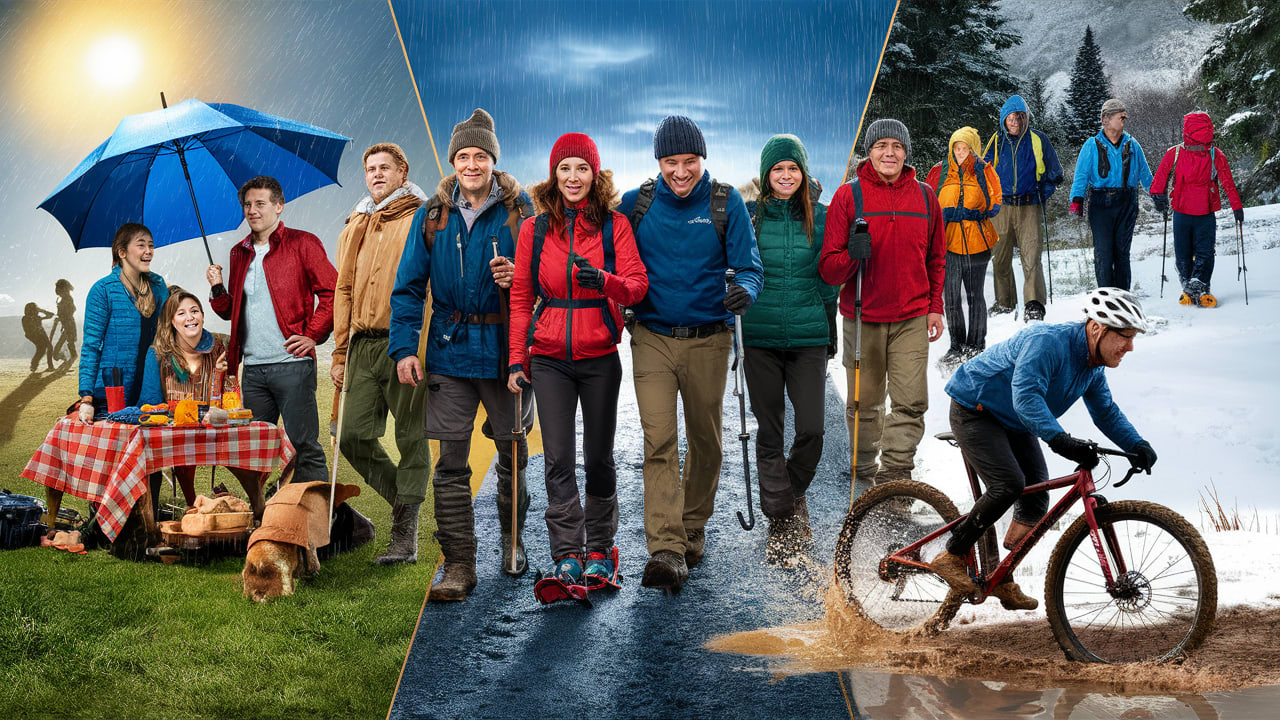
Layering is essential. Yellowstone's elevation is 7,000 to 8,000 feet. Temperature swings of 30 degrees between sun and shade are common even in July.
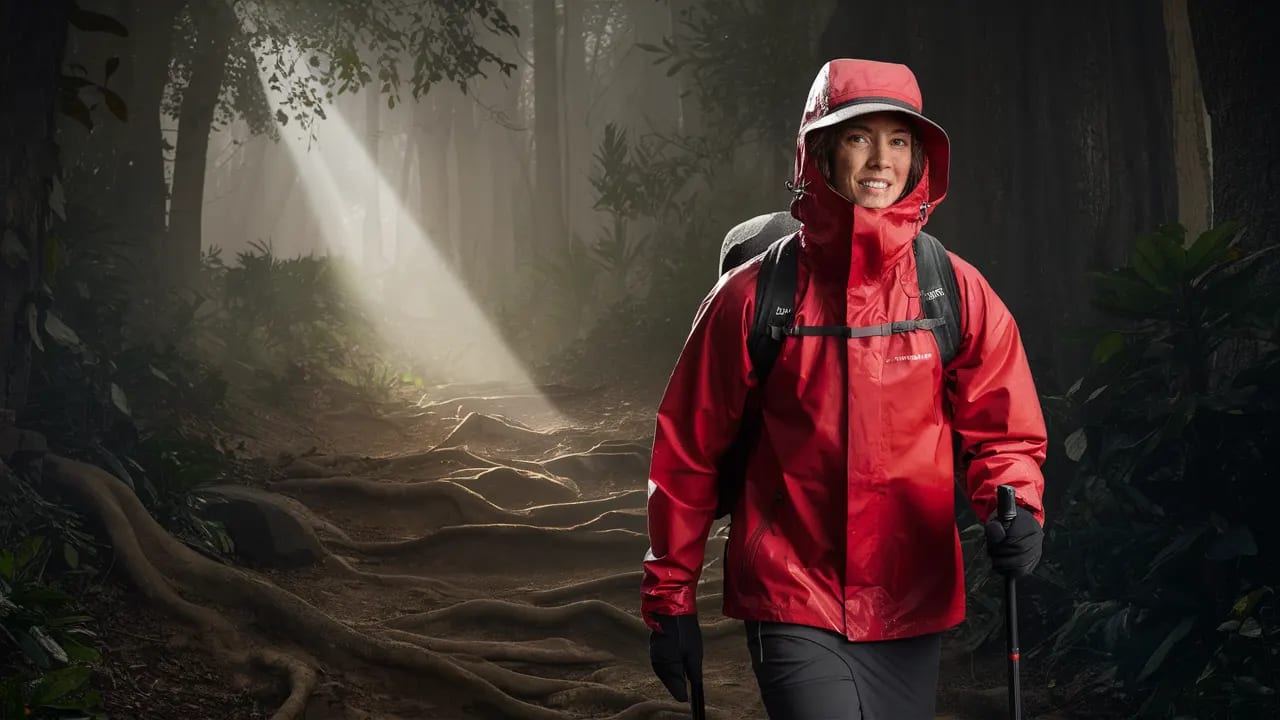
Start with moisture-wicking baselayers. For summer (June-August), lightweight synthetic or merino blend works. For spring/fall, choose merino wool like Darn Tough. Add a fleece mid-layer and a waterproof rain jacket. Pack a lightweight insulating layer (Patagonia Nano Puff or similar). Bring sunscreen (SPF 50+) and a hat. Afternoon thunderstorms are common in July-August, so always carry rain gear.
For September trips, add a heavier insulating layer. A Patagonia Down Vest packs small but traps warmth for early morning wildlife viewing. Pack warm socks and consider gaiters if you're hiking off-trail through sagebrush.
Bring a refillable water bottle. A Hydro Flask insulated bottle keeps water cold in summer and tea warm in cooler months. For backcountry hiking or long driving days, a GPS like the Garmin inReach offers safety and peace of mind. Learn more in Best Time to Visit Banff — Weather Guide by Month. Learn more in Best Time to Visit Great Smoky Mountains — Weather Guide by Month.
Winter visitors (January-March) need insulated boots rated to -20°F, a heavy parka, thermal bottoms, gloves, and a balaclava. Many winter visitors use snowmobiles or guided tours because personal vehicle access is limited.
Plan with current conditions

Yellowstone's weather is highly localized by elevation and canyon proximity. North areas (Mammoth, Lamar Valley) can be 10-15°F warmer than interior highlands. Before heading out, check hourly forecasts for your specific destinations using OpticWeather. Our app shows precipitation type, temperature by hour, and visibility so you can plan wildlife viewing times and avoid afternoon thunderstorms.