guide
Best Time to Visit Great Smoky Mountains — Weather Guide by Month
Plan your Smoky Mountains trip with monthly weather guide. Best times for spring flowers, fall foliage, and hiking in Tennessee.
Best Time to Visit Great Smoky Mountains — Weather Guide by Month
The short answer: April-May brings spring wildflowers and pleasant temps (65-75°F) with moderate crowds. October-November delivers peak fall foliage, crisp mornings (50-65°F), and dramatic mountain vistas. July-August are warm (80-85°F) but incredibly crowded and humid. Avoid these summer months unless you don't mind gridlock parking and hazy visibility.
Great Smoky Mountains Monthly Weather Overview
Best months for spring wildflowers and fall foliage

April is peak wildflower season. Trilliums, wild geraniums, bleeding hearts, and dozens of Appalachian wildflowers explode across the forest floor in mid-April. Daytime temps are ideal at 70°F, nights are cool at 50°F, and humidity is manageable. Cades Cove is the most popular wildflower viewing area. Lesser-known trails like Laurel Falls Trail and Ramsey Cascades also deliver stunning displays. Rain days are only 10, so you'll have a good chance of clear mornings.
October is peak foliage. The Smoky Mountains have an elevation range of 840 to 6,643 feet. This means colors change from the ridges down, creating a rolling wave of gold, red, and orange that lasts nearly three weeks. Peak color typically hits mid-October. Daytime temps are crisp at 69°F, nights cool to 49°F, and humidity finally drops. However, October is also the busiest month after summer. Cades Cove Loop fills to capacity, and parking at major trailheads becomes a real challenge by 9 AM.
Early November extends the foliage season with fewer crowds. Trees are past peak color, but the park is noticeably quieter and still beautiful. Temps drop to 58°F average high and 40°F at night, which makes early morning hiking pleasant.
May offers a compromise between spring and summer. Wildflowers are fading but the landscape is lush green, temps are warming to 78°F (comfortable for sustained hiking), and crowds haven't peaked yet. Rain days are only 10, making it reliable for outdoor plans.
Months to think twice about
July is the worst month for visitors who value experience over heat. Daytime temps reach 85°F with humidity near 90%. This creates a "heat index" of 95-100°F. Wildfire smoke from regional fires often creates persistent haze, reducing views from high elevations. Crowds are absolutely peak. Popular trails like Laurel Falls have lines. Parking lots fill by 8 AM. If you go in July, start hikes at dawn, target higher elevation trails (where it's cooler and less crowded), and accept limited visibility from haze.
June through September is the humid corridor. Temps stay above 80°F, humidity averages 70-80%, and afternoon thunderstorms are common (11-12 rain days). These months are beautiful for lush green scenery and wildlife viewing, but not for comfortable hiking or clear mountain vistas. Learn more in Best Time to Visit Banff — Weather Guide by Month. Learn more in Best Time to Visit Yellowstone — Weather Guide by Month.
December through February are quiet but cold. Snow isn't reliable at lower elevations, but higher trails can ice over. January averages 33°F at night and 9 rain days. Roads don't typically close, but conditions can be slick.
What to Pack for Great Smoky Mountains
Moisture and layering are the theme. Humidity is high even in spring and fall, so pack synthetic or merino materials that dry quickly.
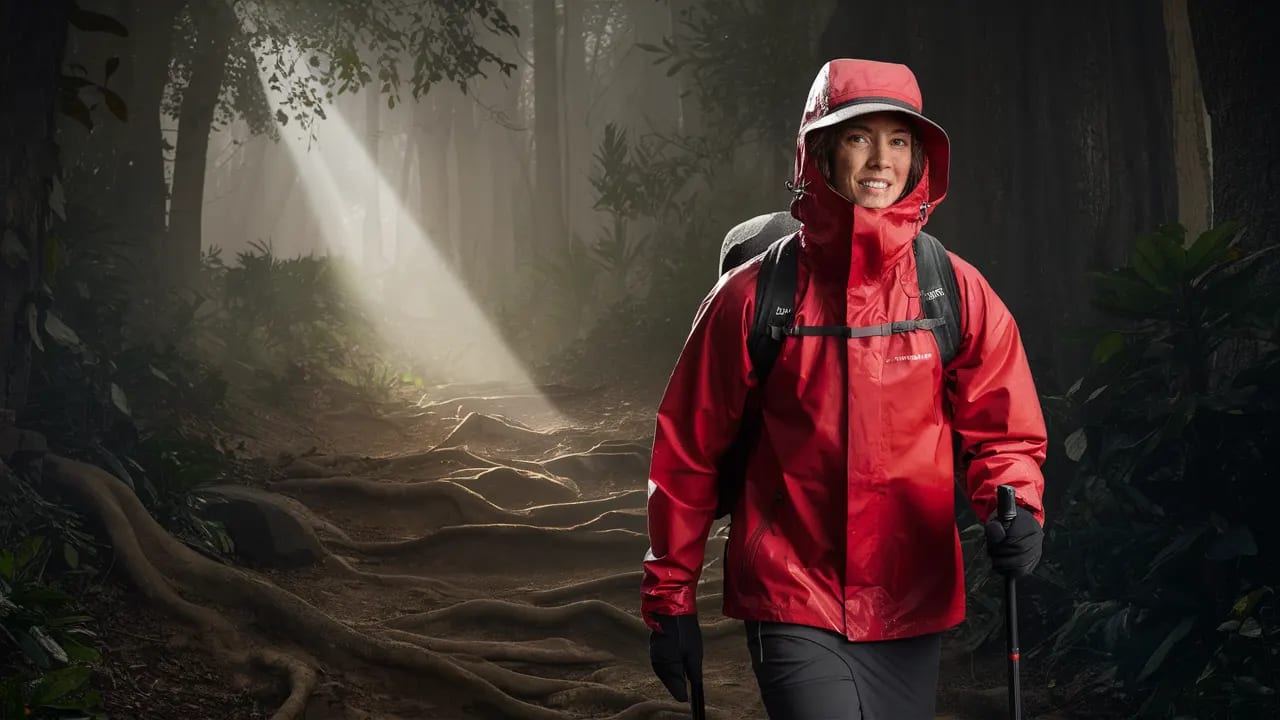
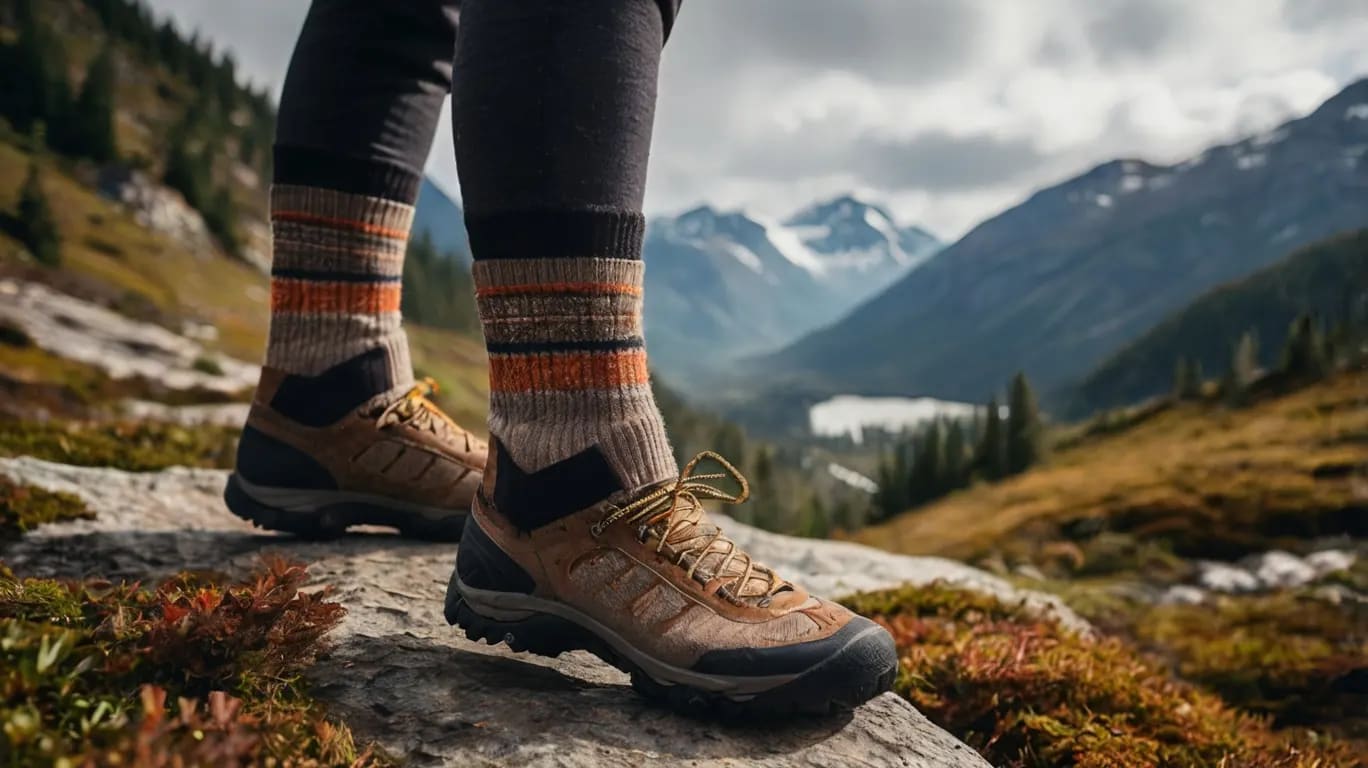
Start with moisture-wicking Darn Tough socks (wool blends are best for blister prevention on all-day hikes). Add lightweight synthetic or merino baselayers. Bring a waterproof rain jacket. Afternoon thunderstorms are frequent (especially June-September), so rain gear isn't optional.
For spring and fall, add a lightweight insulating layer like a Patagonia Nano Puff Vest. It packs small, insulates when wet, and breathes well for humid conditions. Bring a hat, sunscreen (SPF 50+), and a neck gaiter.
For summer hikes in July-August, wear light-colored, loose-fitting synthetic clothing. Bring plenty of water. For high-elevation trails where it's 10-15°F cooler, carry an extra layer even in summer.
Winter visitors (December-February) need insulated boots, thermal layers, a heavier jacket, and gloves. Higher trails can ice over unexpectedly.
Plan with current conditions
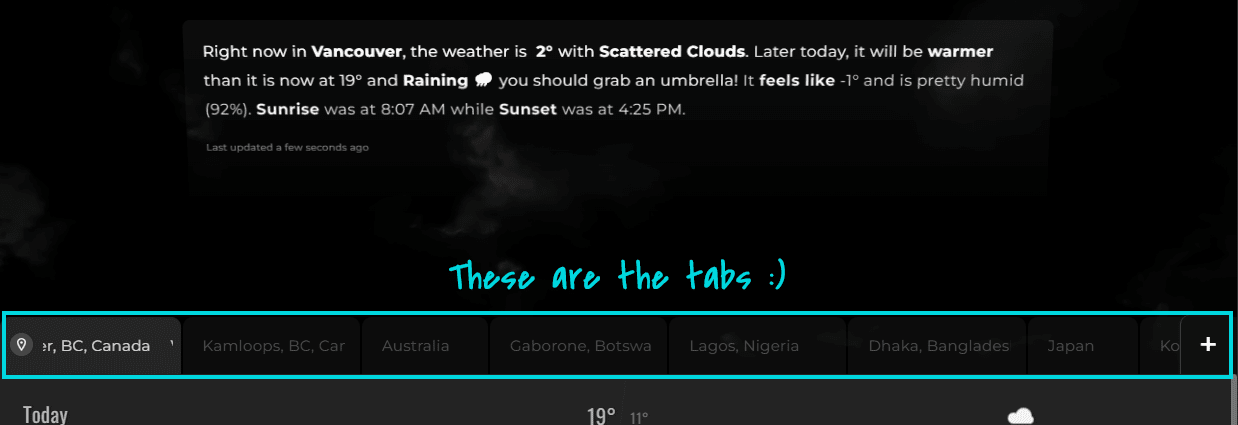
The Smoky Mountains' humidity, frequent afternoon thunderstorms, and wildfire smoke can severely impact visibility and conditions on any given day. Before you hike, check real-time forecasts for your specific location and elevation using OpticWeather. Our app shows precipitation timing, humidity, visibility, and wind so you can choose between high-elevation ridge hikes and lower protected valleys based on conditions.